Ben Leach, MD of PPSL District Heating, explains how integrating new technologies can be a challenge, but careful planning can make the process much smoother
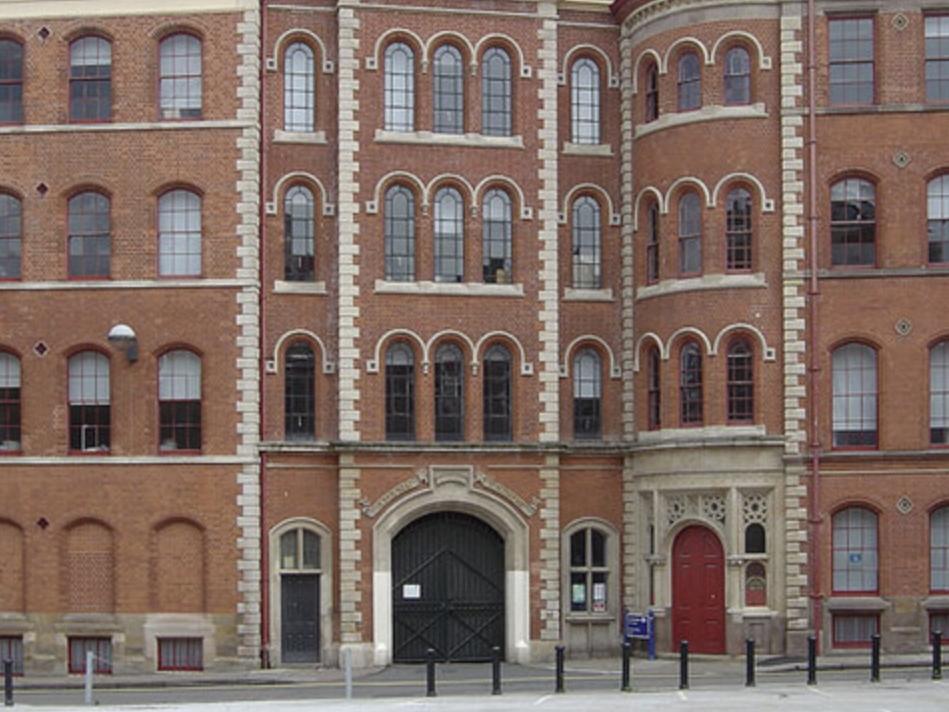
As higher education estates accelerate toward net zero, many are facing challenges in integrating new technology into heritage environments. Selecting low-carbon technologies is relatively simple, but integrating them successfully into complex, constrained, and often historic environments without disrupting critical operations is less so.
A recent project in the heart of Nottingham city centre on the historic Adams Building demonstrates how careful planning, collaboration and engineering precision can unlock decarbonisation opportunities even in the most challenging urban settings.
The scheme enabled the six-storey former Victorian lace mill, part of the Nottingham College estate, to be connected to the city-wide heat network. The work was planned to support long-term carbon-reduction ambitions for the education estates and the wider city, while protecting the building’s listed fabric and maintaining surrounding operational constraints.
The scope of works included the design, supply, installation and commissioning of a buried heat network connection, along with building plate heat exchangers, plantroom pipework, and associated controls.One of the most significant engineering challenges was identifying a viable route for the buried connection through heavily congested city centre streets. This had to be achieved while maintaining full operation of an adjacent multi-storey car park operated by National Car Parks (NCP), ensuring there was no disruption to public access or revenue-generating activity.
To achieve this, the delivery team from PPSL District Heating worked closely with civil engineering specialists CPC Civils to undertake detailed route development. This included the use of ground-penetrating radar (GPR) surveys and targeted trial holes during the design phase, allowing utilities to be positively identified and de-risked before construction began.
From the outset, the project demanded a high level of coordination between stakeholders, including the College, the car park operator, manufacturers and the principal contractor Briggs and Forrester. Early engagement enabled a fully integrated programme to be developed around a fixed summer shutdown window for the city heat network. This collaborative approach ensured that all enabling works, deliveries and installation activities were carefully sequenced. As a result, the team was able to execute the connection works within the critical shutdown period, avoiding any risk to programme or operational continuity.
A further layer of complexity was introduced by the need to install two large plate heat exchangers within the basement plantroom of the listed building. Restricted access, limited headroom and structural constraints required careful lift planning and phased installation methodology. The team successfully completed a lift-and-shift operation to position the equipment, followed by detailed pipework installation and controls integration.
Despite the constrained environment, the plantroom works were delivered efficiently, with a strong focus on minimising risk to the existing building fabric.Following installation, the buried network pipework and internal systems, including the plate heat exchangers, were fully commissioned in accordance with BSRIA BG29 standards. This ensured that system performance, hydraulic balancing and control integration met recognised industry benchmarks for quality and operational reliability.
The project was completed in line with the planned summer shutdown, achieving full programme certainty and successful energisation of the connection.