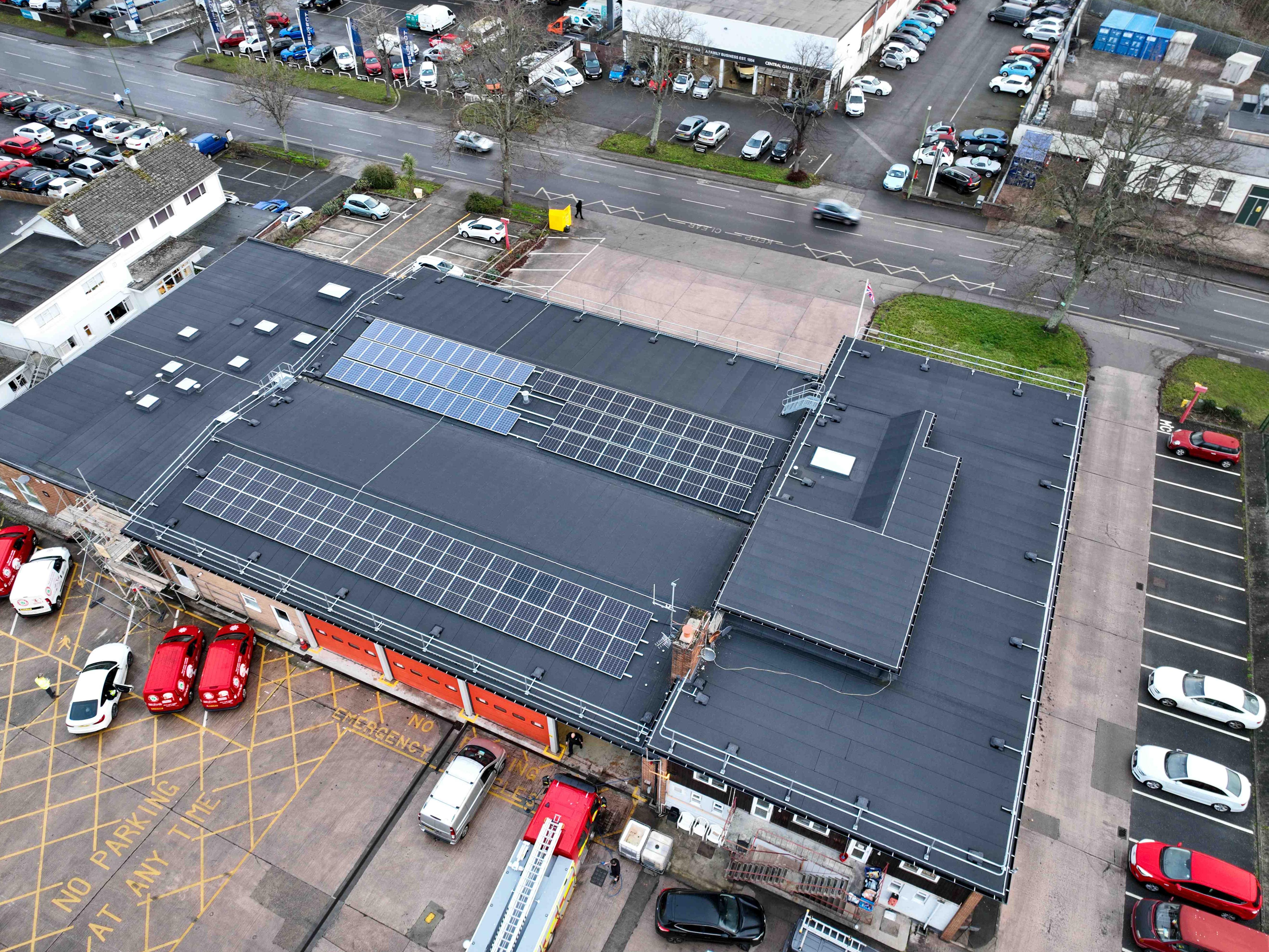
Regular roof inspections and planned maintenance are essential for education estates teams managing schools, colleges and universities. A well‑maintained roof helps protect learning environments, preserve internal spaces and avoid costly disruptions to teaching, boarding accommodation or specialist facilities. But how can estate managers decide when a roof should be repaired and when a complete replacement is the right course of action?
Roofing is a significant investment in any educational estate. Maximising the lifespan of a roof helps ensure facilities remain weather‑tight and functional for pupils, staff and visitors. However, all roofing systems have a usable life, and extensive deterioration eventually requires more than patch‑and‑mend repairs.
If safe access is possible, visual inspections can be a valuable first step. Spotting early signs of water retention, membrane stress, or other defects allows estates teams to engage specialist support before issues escalate into internal damage or significant disruption. A detailed roof survey by an experienced roofing professional will then provide the technical data needed to establish the underlying cause and appropriate course of action.
Identifying early signs of roof deterioration
In educational buildings, external indicators of roof deterioration include ponding water, gaps in seams, loose flashings around plant rooms or ventilation outlets, and visible membrane ageing. Ponding suggests issues with drainage or roofing substructure, which can increase the risk of water ingress over time.
Internal signs, such as ceiling staining in corridors or classrooms, damp patches in staff rooms, or mould in hallways, indicate that external problems have already progressed. Regularly clearing blocked gutters and monitoring roof penetrations for plant equipment can help slow degradation, but early detection is key to preventing larger failures.
Roof condition surveys
A comprehensive roof survey is essential to establish the condition of your roof and understand whether existing issues require localised repairs or a broader intervention. For complex or high‑level roofs, drone surveys may be used, along with diagnostic tools such as moisture meters, thermal imaging and core sampling to pinpoint defects and assess substrates beneath the waterproofing layer.
These investigative methods allow estates teams to make evidence‑based decisions rather than reacting to visible issues alone. The outcomes of such surveys feed into budget planning, lifecycle forecasting and long‑term maintenance strategies for school, college and university campuses.

Deciding between repair and replacement
Where damage is isolated and the overall roof structure remains sound, targeted repairs are often the most cost‑effective solution. However, when deterioration is widespread or the roof has reached the end of its expected life, full replacement may offer better value and longer‑term performance.
Age, and the relative costs of repeated repairs versus a new roof, all feed into this decision. In education estates with fixed budgets, phased work might be an option, with short‑term repairs enabling continuity of use while funding is secured for a full renewal at a later date.
Environmental and operational considerations
Decisions about roofing also intersect with decarbonisation goals. Extending roof life through appropriate repair measures reduces waste destined for landfill, supports embodied carbon reduction targets, and aligns with many MAT and university net‑zero strategies.
Upgrading to a new roof system during replacement can also improve thermal performance, supporting lower operational energy use in classrooms and contributing to broader campus decarbonisation plans.
Ongoing asset care
Comprehensive asset management includes regular inspections, planned maintenance and condition surveys. Establishing a proactive regime helps estates managers anticipate roofing needs, align with academic calendars to avoid disruption during term time, and manage lifecycle costs effectively.
Engaging with a roofing partner early in the process ensures that schools, colleges, MATs and universities receive guidance tailored to their specific building stock and estate strategy.