
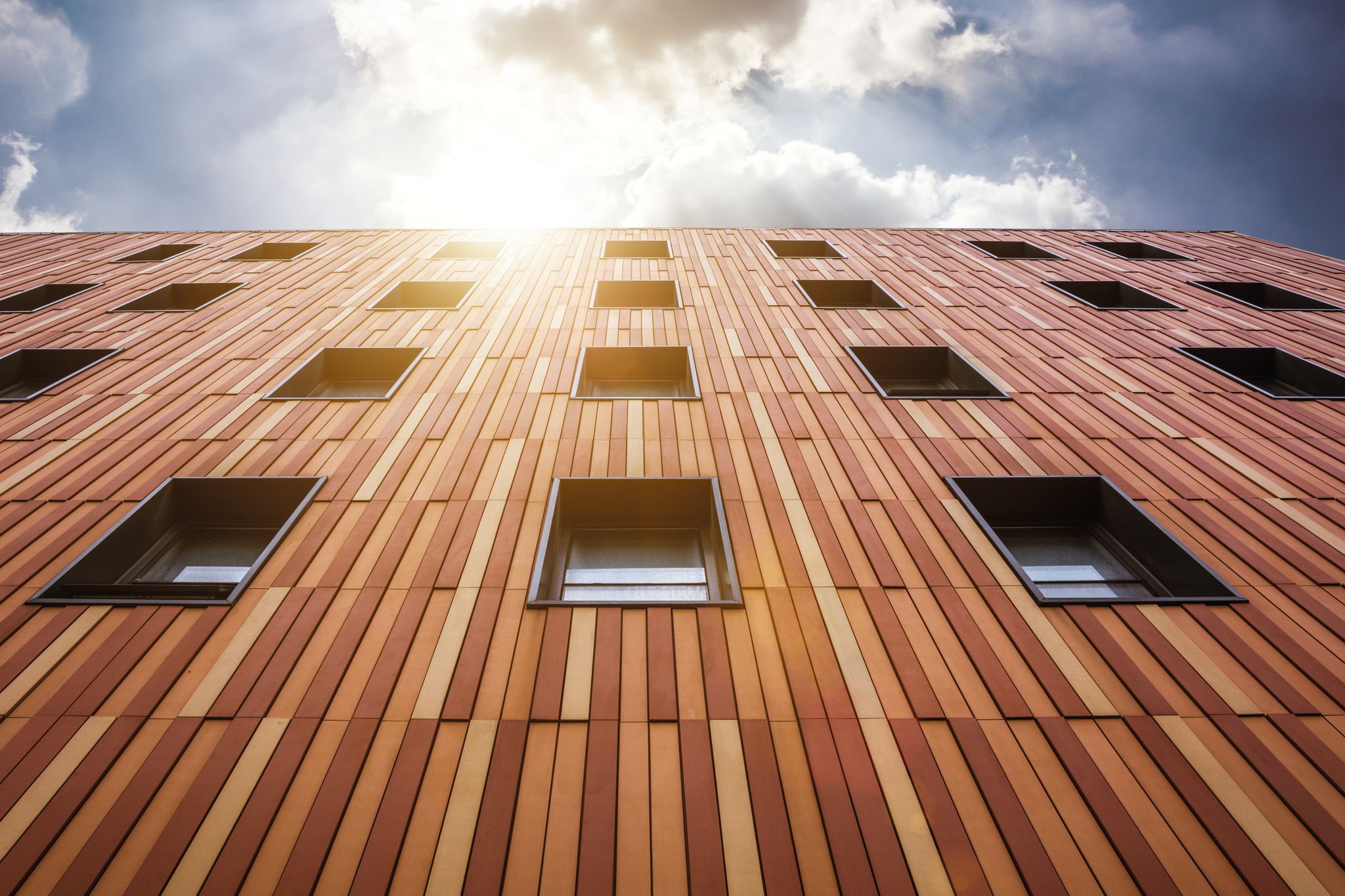
From striking architectural statements to critical elements of energy performance and fire safety, façades play a vital role throughout the lifecycle of buildings, writes Daniel Snape MRICS, Associate Director, Watts Group
Many professionals operating in the built environment lack a solid understanding of the different types of façade systems currently in use, the advantages and disadvantages of these systems, their common defects, and the importance of a robust inspection and maintenance regime. Yet façades can account for up to 35% of the overall construction cost of a building, with factors such as complexity, materials, and overall project size influencing costs. And they are also the area most prone to failure.
There are three types of façades commonly encountered in the UK Built Environment: traditional brickwork, curtain walling, and rainscreen cladding.
Traditional brickwork: Brick masonry has been used for centuries in the UK due to its high durability and can last decades when properly constructed and maintained. It provides resistance to fire and infestation, offers good acoustic performance, and is generally considered to be low maintenance with repairs typically required at wider intervals. However, brickwork can be time consuming to construct, is porous which can lead to damp issues in older properties and is susceptible to cracking due to its poor tensile strength.
Curtain walling (unitised and stick systems): Curtain walling can be categorised into either unitised or stick systems. Unitised systems are formed of prefabricated panels manufactured off site, offering enhanced thermal, acoustic, and weather performance. They are typically quicker to install on site and can incorporate structural movement and fire resistance during the design and manufacturing process. Stick systems are constructed on site, formed of individual components known as mullions and transoms with glazing panels installed into these components. This form of curtain walling offers flexibility, lower upfront costs and is generally easier to maintain. However, both forms of curtain walling are expensive and sensitive to workmanship quality.
Rainscreen Cladding: Rainscreen cladding is a modern, lightweight system offering quicker installation than traditional methods of construction. This form of façade offers ventilation and moisture control through an air cavity, can enhance thermal performance, and depending on choice of materials can be low maintenance. However, these systems are expensive, require increased design, detailing and planning, and have only become popular in recent decades resulting in less data on their long-term weaknesses.
Watts surveyors commonly encounter the following façade defects: Traditional brickwork: External cracks caused by a variety of reasons such as thermal movement, structural settlement, subsidence, heave, and cavity wall tie failure; spalling brickwork caused by freeze-thaw cycles.; and mortar deterioration caused by weather exposure, freeze-thaw cycles, erosion, structural movement, incorrect construction, and natural ageing.
Curtain walling: Water ingress caused by a variety of issues such as poor installation and detailing of sealant and weatherstrips, blocked drainage channels, improper maintenance, defective materials and environmental factors which accelerate ageing; shrunken and dislodged gaskets due to age, improper maintenance and weather exposure; dislodged caps to mullions and transoms due to improper installation and thermal expansion. Rainscreen cladding: Missing or insufficient cavity barriers resulting in fire safety hazards; distortion of High- Pressure Laminate (HPL) panels due to incorrect fixing detailing which does not allow for natural thermal movement; lack of drainage and ventilation provisions within the systems cavity including blocked drainage which can result in water ingress and moisture issues. These issues not only compromise building performance and appearance but can also result in significant safety hazards and financial liability. Which is why undertaking regular inspection of a building’s façade is so important
How often should inspections be undertaken? The British Standards Institute’s BS 8210 recommends a tiered approach, involving routine inspections which should be undertaken throughout the annual period; an annual inspection, and this could be part of an annual Planned Preventative Maintenance (PPM) survey or general building condition assessments; and detailed inspections, which should be undertaken no less than once every three years. www.watts.co.uk